This time four years ago, officials in Moscow were preparing — along with the rest of the world — for what appeared to be inevitable: a Hillary Clinton presidency. It was a grim prospect for Russian President Vladimir Putin at a time Russia was overwhelmed by a string of scandals.
That summer, the world had learned about the massive state-sponsored doping program in Russian sport. In September, a Dutch-led international investigation found that Malaysia Airlines flight MH17, shot down while flying over Ukraine, had been downed by a Russian missile, killing all 298 on board. Around the same time, Russia launched a brutal bombing campaign on the Syrian city of Aleppo, killing hundreds of civilians and devastating the city.
A Clinton victory would have put Putin into a difficult position. Clinton was hawkish on Russia and was expected to marshal a coalition of Western leaders to try to isolate Russia. Donald Trump, by contrast, was seen inside the Kremlin as someone who wouldn’t try to build this type of alliance. An opportunistic and anti-establishment American leader like Trump, the thinking went, would allow the Western world to start imploding from within.
Back then, Putin’s response to the challenge was ambivalent. Clearly alarmed by Clinton’s predicted victory, he said it was absurd to suggest that Trump was his preferred candidate and appeared to be cautiously suggesting Moscow and Washington should start afresh. At the same time, Russia’s hacking into Clinton’s campaign in order to prevent her from winning became one of the central issues of the election.
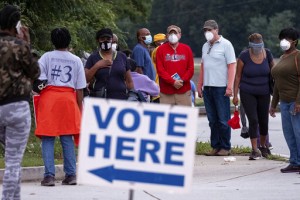
Astonishingly, not that much seems to have changed as Americans vote four years later.
As in 2016, Russia’s state-connected agencies are accused of trying to mobilize Trump supporters via social media and US intelligence agencies maintain that Putin is “probably directing” a disinformation campaign to “denigrate” the Democratic candidate. (Russia denies the accusations of election interference, with Foreign Affairs Minister Sergey Lavrov saying last month that “there are no grounds for such statements.”)
And last week, Putin backed down in negotiations over the New START arms reduction treaty, saying Russia was willing to agree to freeze its nuclear arsenals in order to extend the accord. This unexpected move seemed designed to give Trump a diplomatic win ahead of the US election.
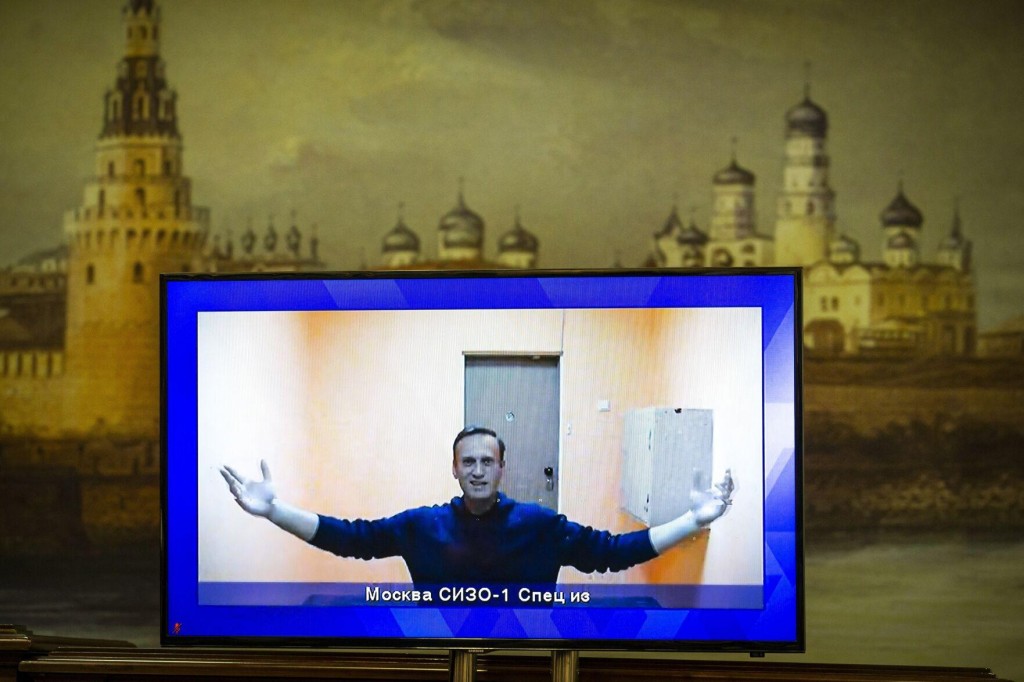
Putin has said he’ll work with whoever wins the White House, but Moscow realizes it can’t bank on Biden being as accommodating to the Kremlin as Trump. Washington is expected to impose new sanctions on Russia over the recent poisoning of Russian opposition leader and fierce Putin critic Alexey Navalny with a military-grade nerve agent, but a Biden administration is expected to take an even tougher approach than Trump. The Kremlin presumably also expects a Democratic administration to exert more pressure on Russian officials and state-connected oligarchs on corporate and personal levels.
Still, sanctions, as sensitive as they may be, will hardly be a game-changer. Putin’s Russia has already got used to sanctions. Moreover, as the confrontation keeps growing over Navalny’s poisoning, the Kremlin has shown a willingness to stand its ground and even raise tensions by pushing back against critics. “We probably simply have to temporarily stop talking to those people in the West who are responsible for foreign policy and don’t understand the need for mutually respectful dialogue,” Foreign Minister Lavrov said this month after EU foreign ministers agreed to impose sanctions on Russian officials and organizations blamed for Navalny’s poisoning.
Putin, for his part, recently indicated that he couldn’t care less about the West treating him as all but a murderer and imposing sanctions on those close to him. “I have had a long time to get used to these attacks,” he said. “It has no effect on me.”
From an internal political standpoint, Putin can afford to rebuff the West. Amplified by official propaganda, anti-Western — mostly, anti-American — sentiment is deeply rooted in the Russian mindset. Sixty percent of Russian respondents told the independent Levada Center that they consider the US to be hostile to Russia and the concept that Russia is a nation under siege remains a cornerstone of Putin’s legitimacy.
While Russia’s political establishment and general public applauded Trump’s victory four years ago, the 2020 US election is attracting less attention. The latest Levada poll found that the majority of Russians do not care about its outcome and 65% think the winner won’t make a difference for Russia. Sixteen percent support Trump, nine percent support Biden — not surprising given that national television portrays Trump in a positive light and presents Biden as a radical leftist old geezer.
More importantly, a Biden victory could mean the Kremlin will be again facing a more united West — the same threat to Putin’s agenda as four years ago, and in similar circumstances. Russia’s denials about the poisoning of Navalny have flabbergasted Europe and probably have been the final nail in the coffin of French President Emmanuel Macron’s plans to build trust with Russia.
A consolidated liberal front that includes a Biden-led US will also constitute a much greater challenge to Vladimir Putin’s global ambitions from Syria to Ukraine, from Afghanistan to Belarus.
Consider Belarus, the former Soviet republic on Russia’s western border. The rule of Alexander Lukashenko, its cruel and exasperating dictator, has been shaken after hundreds of thousands of Belarusians took to the streets across the whole country in response to what they considered a brazenly rigged presidential election. These mass protests were met with brutal force.
For now, Russia has abstained from military intervention, and Lukashenko holds sway largely thanks to Putin’s moral support. But how will Moscow react if Lukashenko starts losing ground? It’s hard to tell, but it seems likely the Kremlin will think twice about direct involvement if it expects consolidated pressure from the West.
While tension between Russia and the West has grown, the key issue of the 2020 United States election remains unchanged. If the Trump era is extended for another term, it will be a victory for Putin in his zero-sum game with the West. If Trump is defeated, it will be a defeat for Putin too.