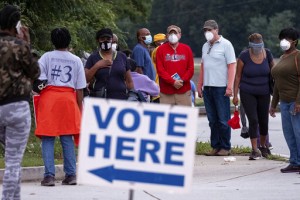
JERSEY CITY, NJ ( WCBS) — Voters have spoken, overwhelmingly passing a resolution to legalize recreational marijuana in New Jersey.
Sixty seven percent of New Jersey said yes to the ballot measure.
A big election brought forth historic change in the Garden State.
“I think it’s amazing. I think it’s good for our economy,” one person said.
“This is a tremendous victory in New Jersey,” said Steven Hawkins of the Marijuana Policy Project.
As CBS2’s Meg Baker reports, the Garden State is officially going green, but not so fast.
So now what?
Hawkins’ organization helped with getting the initiative passed. He says now that it ha been approved by voters, it’s time for guidelines to be put in place.
“The next steps will be that the Legislature perhaps as early this Thursday in New Jersey will move to pass legislation to implement a cannabis commission and set up a regulatory system for taxing cannabis and then we could see very early in the next year cannabis starting to be sold for adult use in New Jersey,” Hawkins said.
Recreational pot becomes in January, but you won’t be able to buy it right away.
“Realistically, the timeline is anywhere from six months to a year,” said industry expert Mike McQueeny. “You have to grow it before you can package it and sell it. On top of that, you have to create regulations and rules to do that safely.”
It took Massachusetts and other states more than two years to set up the industry.
Those already in the medical marketplace will be the first allowed to sell to the general consumer. The problem: Growers in New Jersey do not have enough cannabis available to meet the needs of patients, let alone any other buyers.
“I hope they’re out there tilling soil right now. So as soon as they have enough product, they’ll be able to sell,” said State Sen. Nicholas Scutari.
Scutari says marijuana in New Jersey will have the lowest tax rate in the country at less than seven percent, and will allow an extra two percent local tax, giving additional revenue to municipalities that decide to allow facilities in their town.
But the impact is more than extra money for the state.
“The economic impact it will have on our state. The job creation. The farming jobs, the tilling jobs, the bud tenders, the sales jobs, the architects,” Scutari said.
Dr. Diane Calello with New Jersey Poison Control Center says the state’s focus needs to be on safety. Edibles must be properly packaged and labeled.
“Not only kids like to eat, not realizing it’s cannabis, but it’s also the thing that makes adults take some, not experience an effect, take more, take more, take more and then get hit with a big dose of THC or marijuana unexpectedly an hour or two in,” Dr. Calello said.
New Jersey Attorney General Gurbir Grewal reminds people that all of the state’s criminal laws relating to street purchases of marijuana still apply.
There is opposition. More than 70 municipalities signed a pact not to allow dispensaries in their towns, and the New Jersey Association of Chiefs of Police cite concerns about drug impaired driving and the toxicity of today’s marijuana.
“I think we have a lot of work ahead of us,” said John Zebrowski, the police chief in the town of Sayerville and serves as vice president of the New Jersey State Association of Chiefs of Police.
The organization has some concerns about the legalization of marijuana and how it will impact the safety of people on roads.
“The issue of impairment is still one that has not been answered. There isn’t a comprehensive or comparable device available to utilize to show impairment, as there is for alcohol at this point,” Zebrowski said.
Please note: This content carries a strict local market embargo. If you share the same market as the contributor of this article, you may not use it on any platform.