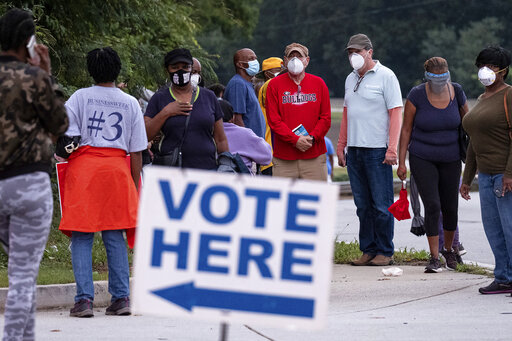
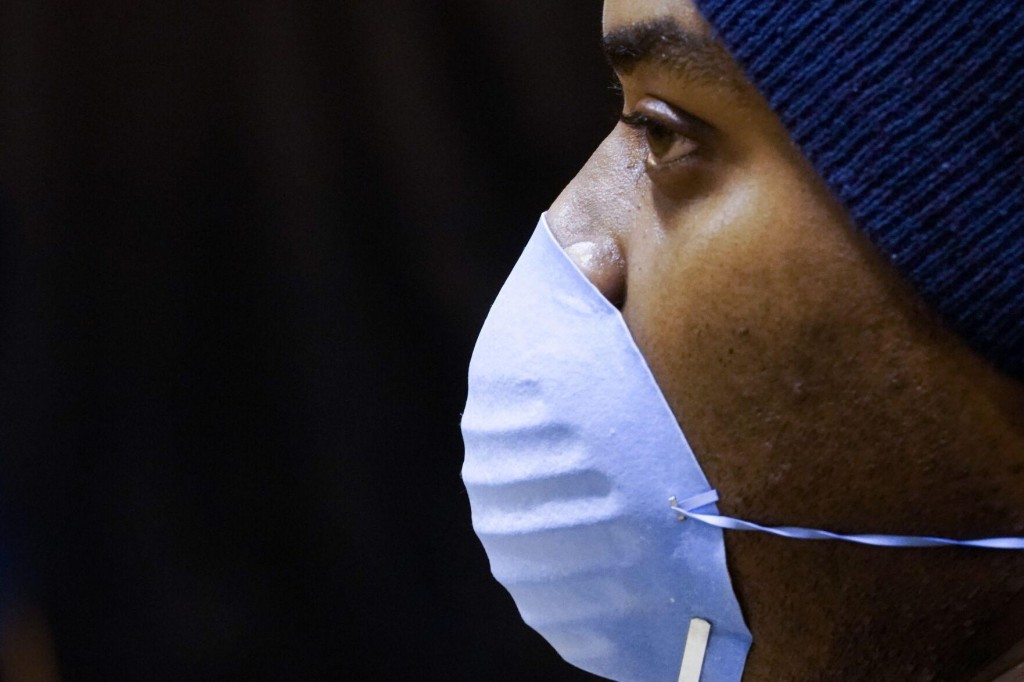
Hartford, CT (WFSB) — new national survey shows a record number of Americans are stressed out.
The American Psychological Association survey found nearly 8 in 10 adults say the pandemic is a significant source of stress and anxiety.
At Hartford Healthcare’s Institute of Living, the demand for help is high.
“We have been much busier, and seeing not only new folks who hadn’t presented with mental illness or anxiety or depression problem before, but the current population we are treating is an increased number of people having an increased need with their symptoms worsening,” said Nurse Practitioner Art Guerra, of the Institute of Living.
Guerra said the pandemic is taking a major toll on mental health.
“Maybe if this was a time limited phenomenon, people could shrug things off and their resilience would kick in and they would feel better. But I’m worried and I think many professionals are worried that COVID is going to be with us for a while and this ongoing stress that happened earlier this year and is now continuing may be a lot for people who are experiencing mood changes or anxiety at this time,” Guerra said.
Symptoms like irritability, struggling to eat or sleep, lack of interest in things you used to enjoy, and low energy are just some signs that you may need to talk to a professional.
“The issue around folks who might have anxiety or depression and never experienced that before and they are just not sure what’s going on. And they might be in disbelief,” Guerra said.
When asked how to tell the difference between having an anxious feeling or thought, and knowing that it’s something bigger, Guerra said “You might think of it in the following way. I’ve certainly had anxious thoughts over COVID in the last 6 months but if they persist and I can’t shake the thought. If it interferes with my ability to concentrate at work. It interferes with my ability to get to sleep or stay asleep. Interferes with my day to day activities or thought process.”
Being able to recognize that change in yourself is the first step toward being able to get help.
Guerra said you should also be looking for those signs in your loved ones.
“When you hear family members and friends saying ‘are you okay? Is something wrong?’ If you’re hearing that in several different spheres of your life, you may have to reflect and think ‘do, I need to get some support or help’,” Guerra said.
For those who do think they may need help, don’t wait to reach out.
Talking with a primary care physician can be a good first step.
“I think it’s easy for me and many people to think about what’s going to happen next. That’s very difficult and probably not helpful. It’s probably helpful to stay more in the moment and take each day one step at a time,” Guerra said.
There are also some things you can do at home, like maintain a healthy diet, exercise, and have a sleep routine.
Also, know when it’s time to take a break from the pandemic updates and social media so you can decompress, and find safe ways to talk with family and friends.
“Working hard to maintain those connections is so important,” Guerra said.
Also, get outside, as fresh air can help clear your mind.
“If those factors fail and people still have ongoing depressive symptoms, anxiety symptoms then seek some kind of mental health service,” Guerra said.
He went on to say to think about what you can control, and “think about some of the more overwhelming, daunting things we’re dealing with. Let time evolve with that. And things we don’t have direct control of, it’s probably best to step back from.”
And remember, you’re not alone, as a lot of people are experiencing this difficulty.
For more information, call 860-545-7200 or click here.
Please note: This content carries a strict local market embargo. If you share the same market as the contributor of this article, you may not use it on any platform.