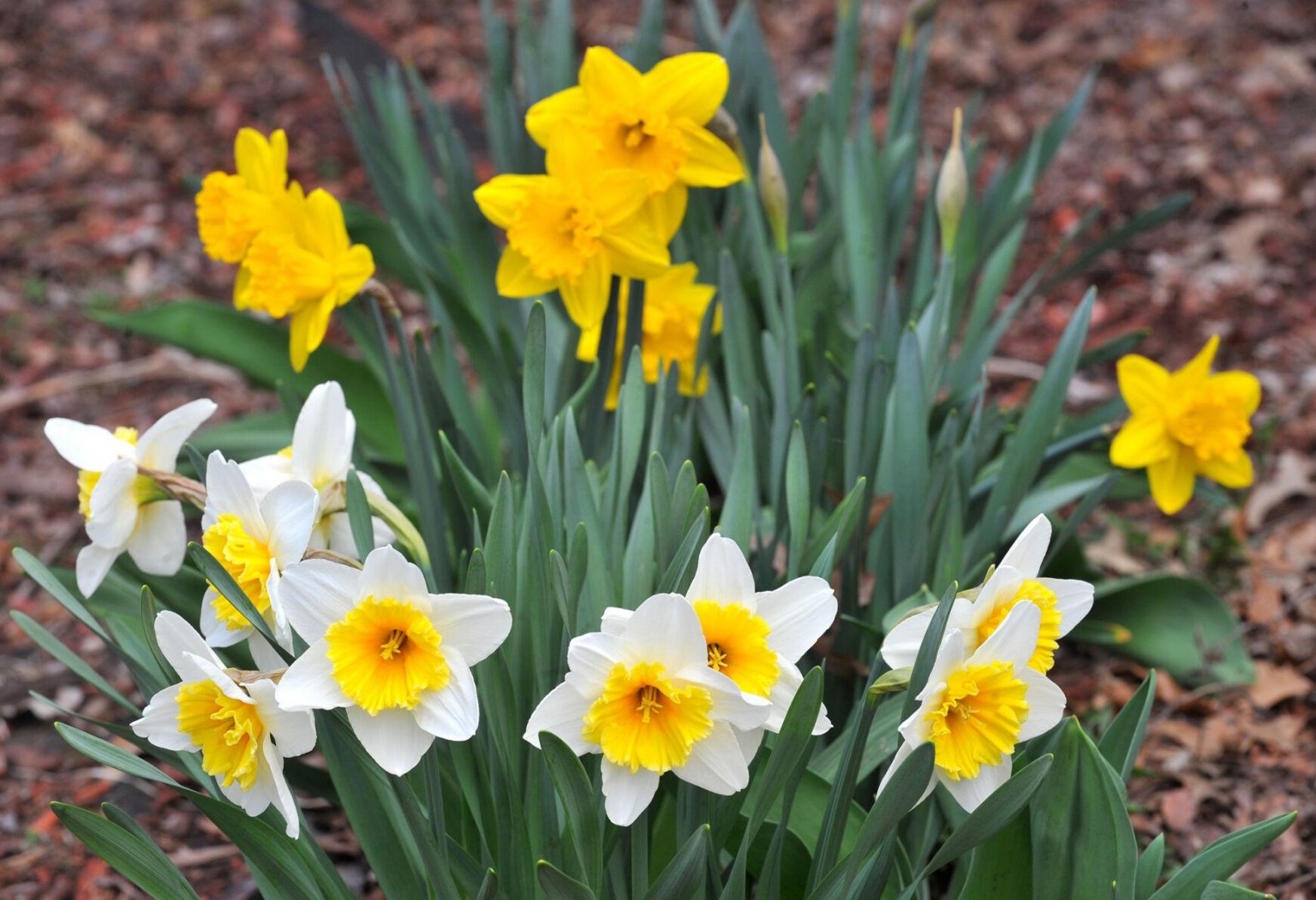
Tulips, daffodils, crocuses and other spring-flowering bulbs are a welcome sight in spring. But to enjoy the colorful spring display, gardeners must purchase and plant spring-flowering bulbs in the fall.
Here are some questions about bulb-planting, with answers from horticulturists at Iowa State University, Ames
Q: When is the best time to plant tulips, daffodils, and other spring-flowering bulbs?
A: October is the ideal time to plant tulips, daffodils and other spring-flowering bulbs in the Midwest, but they can be planted as late as late November to early December, if the ground is not frozen or covered with snow.
When planted in fall, spring-flowering bulbs have enough time to develop a good root system before the ground freezes in winter.
Q: How do you plant spring-flowering bulbs?
A: Select a favorable location for the bulbs. Tulips, daffodils, hyacinths and crocuses perform best in areas that receive at least six hours of direct sun per day. However, snowdrops, snowflakes and Siberian squill can be successfully grown in partial shade (two to four hours of direct sun).
Bulbs also need a well-drained, fertile soil. Poorly drained soils can often be improved by incorporating organic matter, such as compost, into the soil.
Plant spring-flowering bulbs in clusters or groups to achieve the greatest visual impact in the garden. When planting tulips and daffodils, plant 10 or more bulbs of the same cultivar in an area. Smaller growing plants, such as grape hyacinths and crocuses, should be planted in clusters of 25 or more bulbs.
Plant bulbs at a depth equal to three to four times their maximum bulb diameter. Accordingly, tulips and daffodils should be planted 6-8 inches deep, crocuses and grape hyacinths only 3-4 inches deep. Large bulbs, such as tulips and daffodils, should be spaced 4-6 inches apart. A 3-inch spacing is adequate for crocuses, grape hyacinths and other small bulbs.
After planting, water the bulbs (if the weather in fall is dry) to promote good root development before the onset of winter.