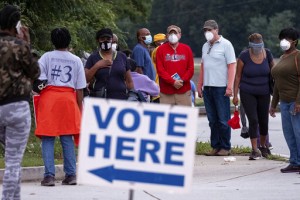
Jackson County, MO (KCTV) — Two statues of Andrew Jackson will stay at their locations in Jackson County, after voters chose not to remove them.
With a 72-23 majority voters chose NO when asked :“Shall Jackson County, Missouri, remove the statues of Andrew Jackson now located outside the Jackson County Courthouse in Kansas City and the Historic Truman Courthouse in Independence?”
The statues were a point of contention over the summer. People who were in favor of removing the statues pointed to Andrew Jackson’s history as a slave owner of more than 100 slaves and his actions as president in favor of the Indian Removal Act forcing Native Americans off their land.
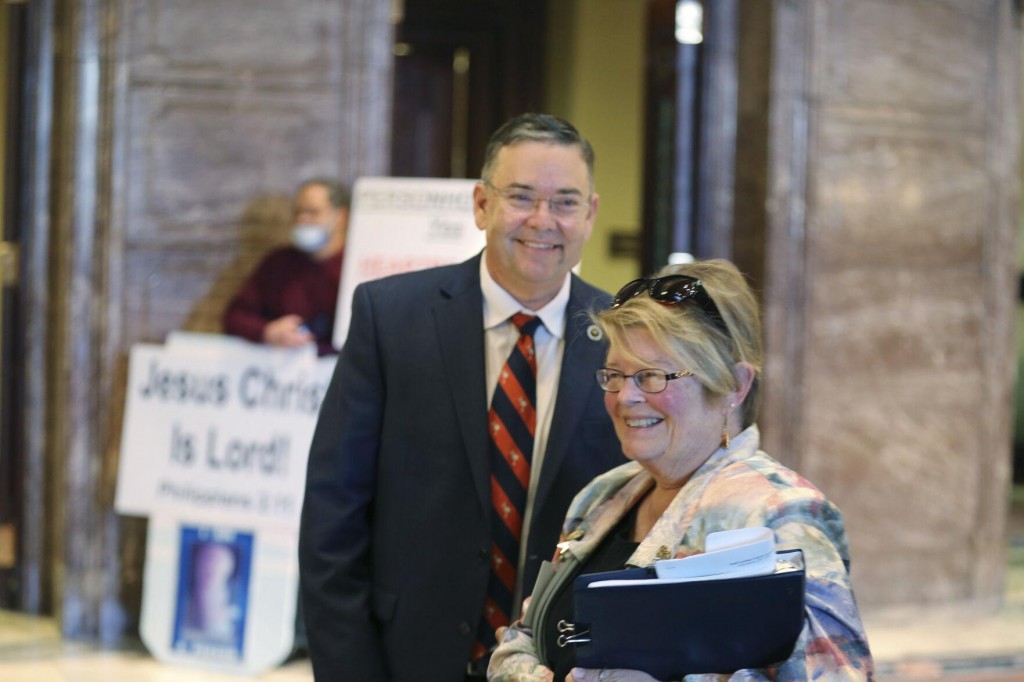
Jean Peters Baker says before the issue became controversial she was inspired to add a plaque to the statues to offer historical context to visitors at the courthouses.
“I walk into the courthouse everyday, so do my jurors, so do victims, and so do defendants and defendants’ families. So it seemed important to me, what’s our symbolism?”
The pandemic caused the production for the plaques to be delayed and when the issue to remove the status became heavily debated, the county halted its plans to avoid spending money on plaques in case the statues were removed.
Peters Baker says the plan to add the plaques will resume, but it’s not clear how long the process will take. She believes county legislators will respect and honor the decision voters made and doesn’t expect the issue to remove the statues will reappear on a ballot. She adds, the plaque and text may be another pathway; instead of removing American history, it’s about acknowledging it with proper context.
“When individuals walk past that statue to enter into this most important building where they are expecting justice to happen, perhaps they’ll believe that’s a building where they can get it.”
Jackson County Executive Frank White, Jr. expressed disappointment at the outcome in Tuesday’s vote.
“I am proud to have stood up and stood on behalf of a movement demanding fairness, justice and equality in Jackson County. I remain committed in my belief that the statues of a man who owned slaves, caused thousands of Native Americans to die and never stepped foot in our County should be removed from our public facilities. The statues are not an appropriate representation of who we are and who we strive to be as a community – a community that is welcoming, diverse and open-minded. I have a tremendous amount of respect for our democratic process, and while I may not always agree with the outcome, I believe there is something we can learn from every election. I look forward to engaging in more opportunities to eliminate racism and discrimination in Jackson County as we continue the fight for equal rights and justice for those we serve.”
White Jr. wanted to remove the statues without public input, but county legislators opted to put the decision to a vote.
Kansas City resident, Tony Murray, says he feels with the changing times, so should our statues and symbols.
“It’s a different generation now. I feel they [younger generations] don’t have to see that [statue] to remind them of the difficulties their forefathers went through.”
Jasmine Osborn disagrees. She voted to keep the statues.
“I think we should always have reminders of everything that we overcame,” she said.
Legislature approved as language for plaque:
“In 1826, the Missouri State Legislature named this County after the hero of the Battle of New Orleans in the War of 1812 – Andrew Jackson – nearly three years before he became the nation’s seventh President. Almost two centuries later, we hold a broader, more inclusive view of our nation. Jackson’s ownership of slaves and his support for the Indian Removal Act are part of his history. The Act forced Native Americans from their home territories so that white settlers could live there and triggered the Trail of Tears, a 1,000-mile march resulting in the death of thousands, including an estimated one-quarter of the Cherokee Nation.
This statue of Jackson reminds us we are on a path that, in the immortal words of Martin Luther King, Jr., bends towards justice. In turn, we must acknowledge past injustices to help us create a greater nation built upon humane policies to light our way and the way of humanity everywhere.
You may be entering this revered building today in a pursuit of truth or justice. Welcome. Your own history is still being written.”
Please note: This content carries a strict local market embargo. If you share the same market as the contributor of this article, you may not use it on any platform.