The COVID-19 pandemic has sent the world economy into turmoil as lockdowns around the world have caused economic activity to grind to a halt. The demand for oil has crashed in the wake of the growing pandemic, sending oil prices diving and even dipping below $0 per barrel. According to the most recent data from the U.S. Census Bureau, the U.S. employs close to 130,000 people in the oil and gas extraction industry. Many of these workers now face uncertain employment.
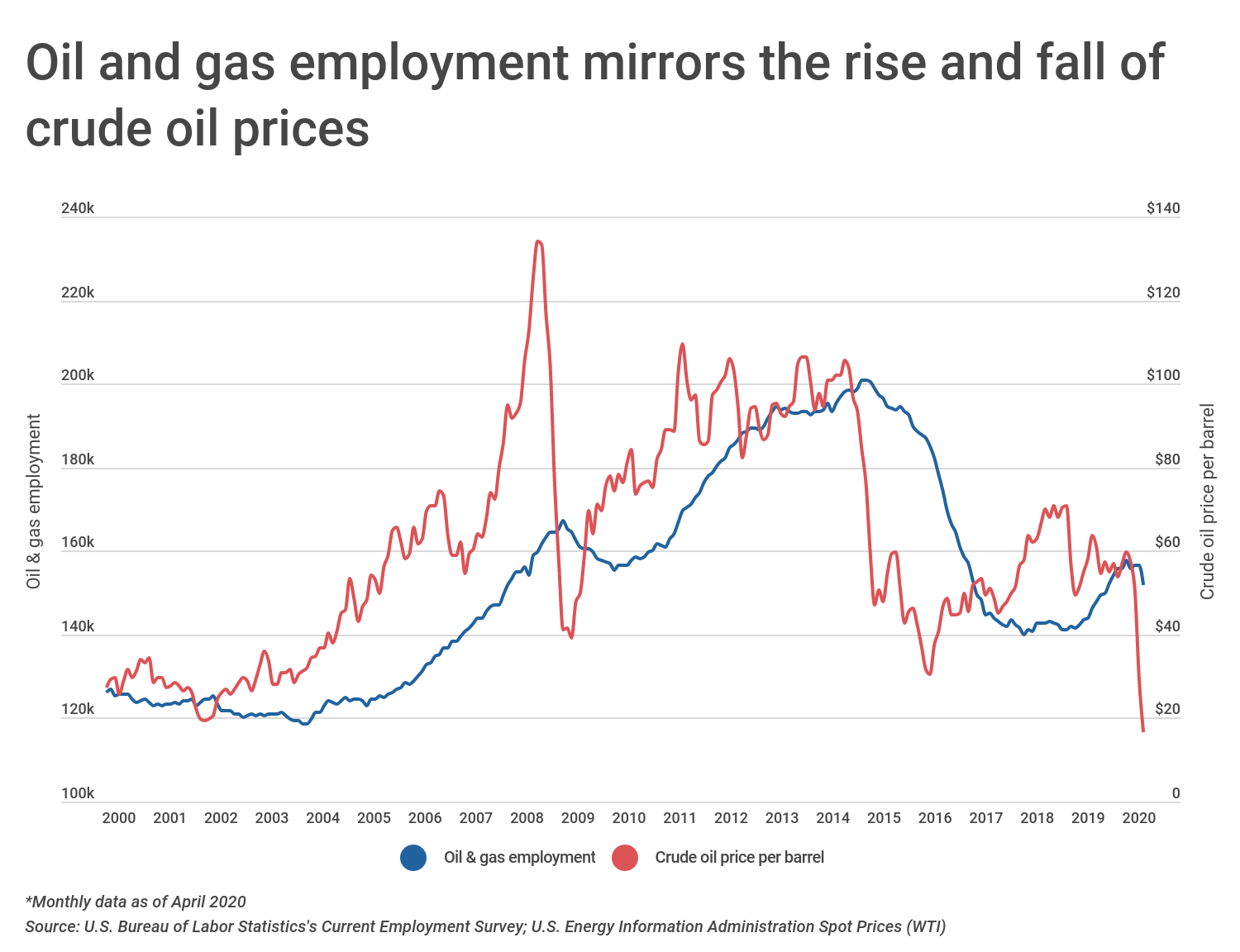
Bureau of Labor Statistics (BLS) data from the last two decades shows that employment in the oil and gas sector tends to rise and fall with crude oil prices. Price drops in 2014 resulting from oil surpluses caused the oil and gas sector to shed roughly a third of its workforce. Today, the pandemic combined with a lack of storage capacity for excess oil have caused the price to fall sharply again—a trend that threatens thousands of jobs.
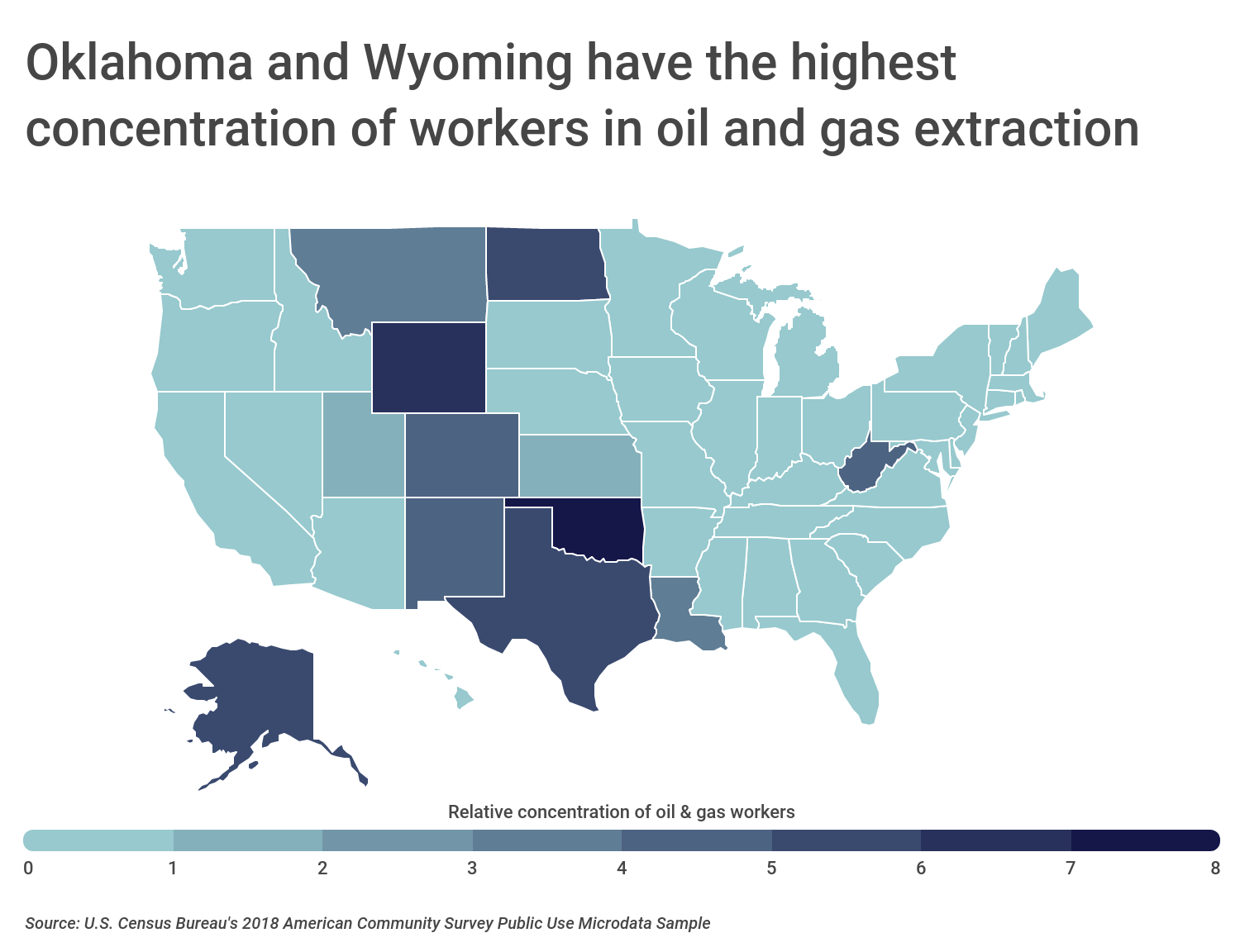
The concentration of oil and gas extraction workers varies widely by location. At the state level, Oklahoma and Wyoming have the highest concentrations of workers in oil and gas extraction at 7.7 and 6.7 times the national average respectively. Texas, with a relative concentration of 5.8 times the national average, boasts the largest number of total oil and gas workers of any state. Many states such as Hawaii, Maine, and Rhode Island don’t produce oil or natural gas and have no employees reported by the Census Bureau.
To find the metropolitan areas hit hardest by the drop in oil prices, researchers at Construction Coverage used data from the U.S. Census Bureau and the Bureau of Economic Analysis. The researchers ranked metro areas according to the relative concentration of employment in the oil and gas extraction industry. Researchers also looked at the total number of oil and gas extraction workers, the median earnings for those workers, and cost of living.
To improve relevance and accuracy, only metropolitan areas with at least 100,000 people were included in the analysis. Here are the U.S. metropolitan areas with the highest concentrations of oil and gas workers.
Metros with the highest concentration of oil and gas workers
Photo Credit: Alamy Stock Photo
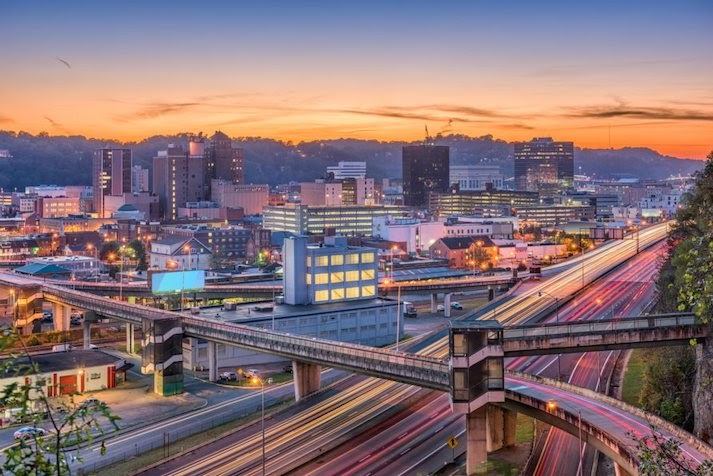
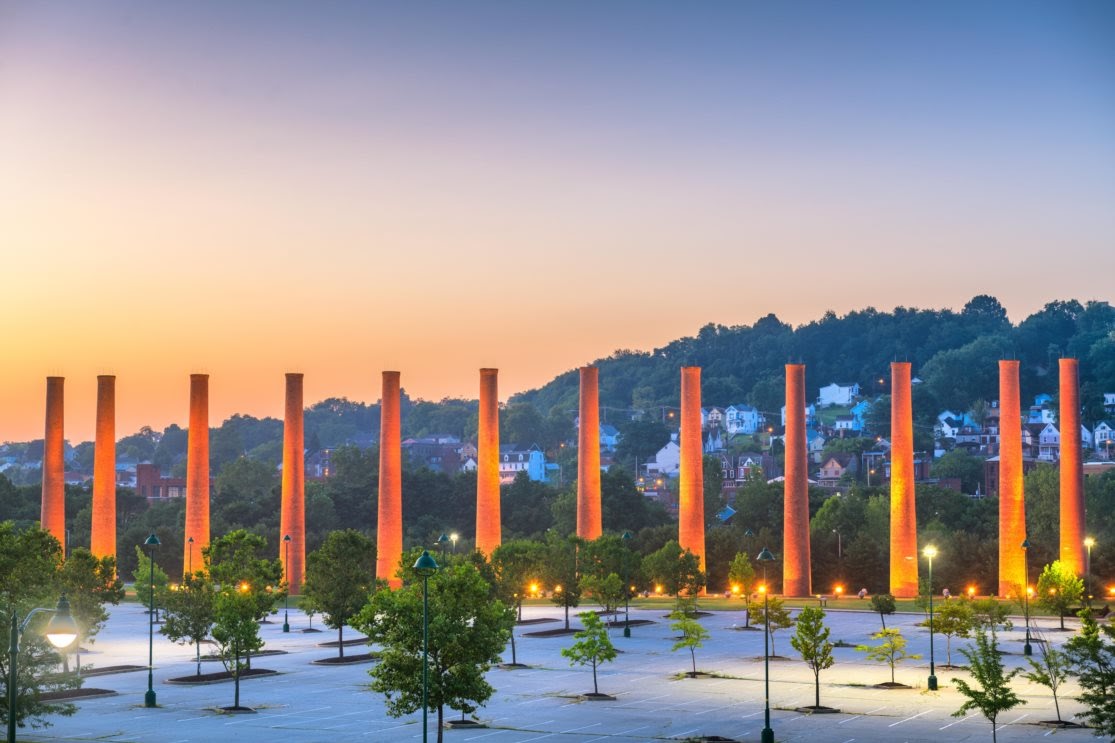
25. Charleston, WV
Relative concentration of oil and gas workers: 2.3 times the national average
Number of oil and gas workers: 151
Total number of workers: 79,033
Median earnings for oil and gas workers: $90,000
Cost of living: 14% below average
Photo Credit: Alamy Stock Photo
24. Baton Rouge, LA
Relative concentration of oil and gas workers: 2.4 times the national average
Number of oil and gas workers: 760
Total number of workers: 393,009
Median earnings for oil and gas workers: $80,000
Cost of living: 7% below average
Photo Credit: Alamy Stock Photo
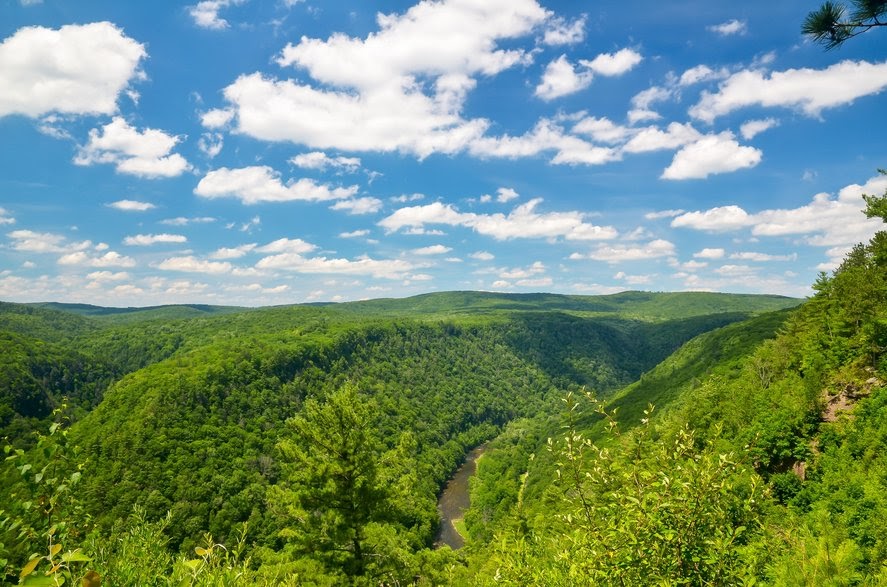
23. State College, PA
Relative concentration of oil and gas workers: 2.4 times the national average
Number of oil and gas workers: 153
Total number of workers: 76,627
Median earnings for oil and gas workers: $65,000
Cost of living: 3% above average
Photo Credit: Alamy Stock Photo
22. Pittsburgh, PA
Relative concentration of oil and gas workers: 2.7 times the national average
Number of oil and gas workers: 2,514
Total number of workers: 1,144,232
Median earnings for oil and gas workers: $75,000
Cost of living: 6% below average
Photo Credit: Alamy Stock Photo
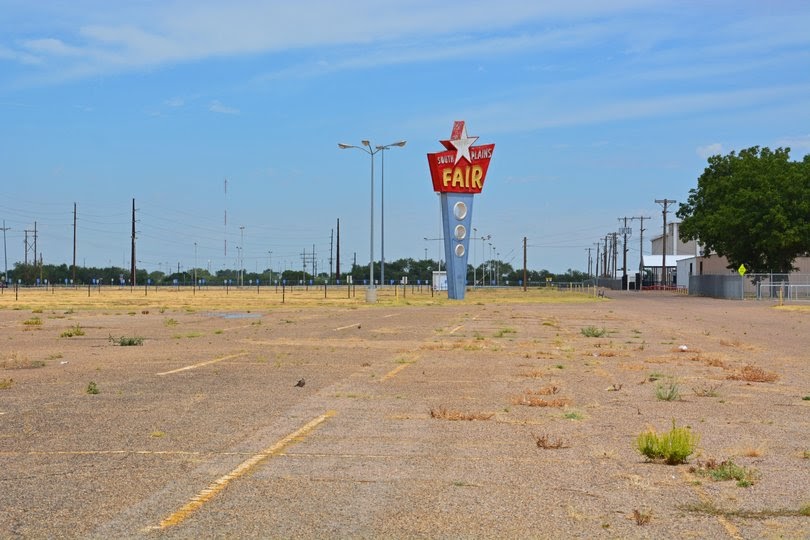
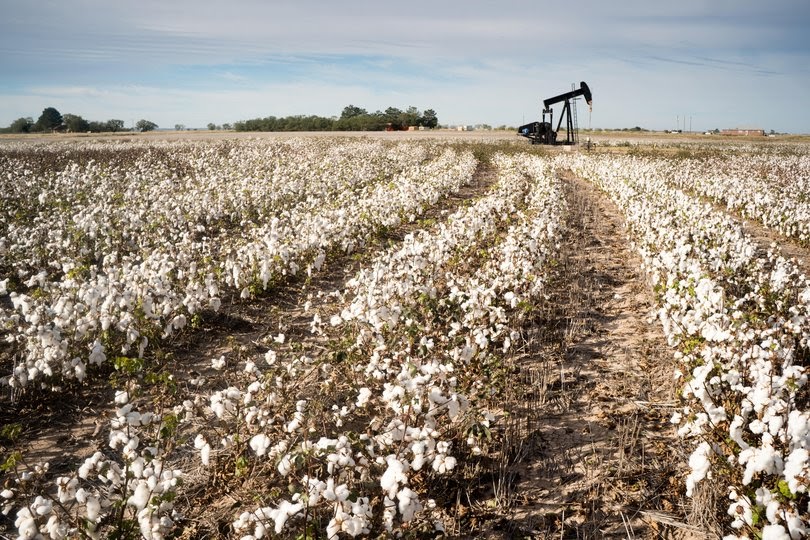
21. Lubbock, TX
Relative concentration of oil and gas workers: 2.9 times the national average
Number of oil and gas workers: 359
Total number of workers: 151,707
Median earnings for oil and gas workers: $86,000
Cost of living: 7% below average
Photo Credit: Alamy Stock Photo
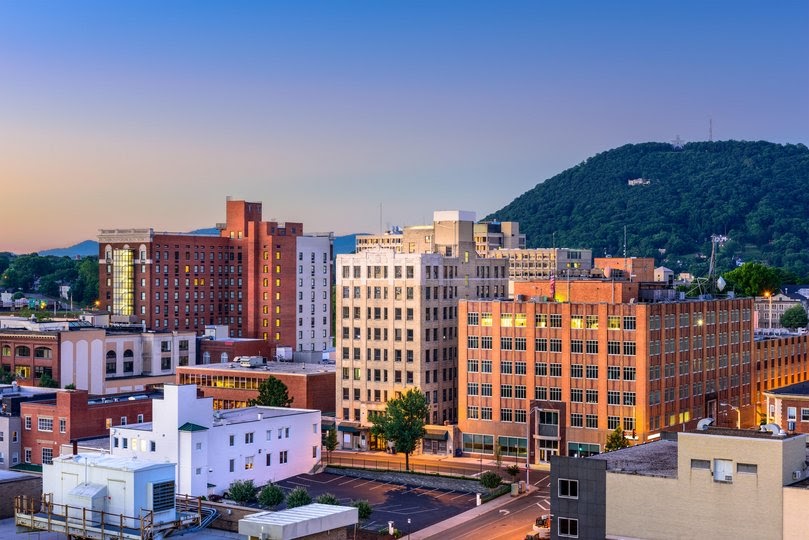
20. Roanoke, VA
Relative concentration of oil and gas workers: 3.1 times the national average
Number of oil and gas workers: 397
Total number of workers: 158,089
Median earnings for oil and gas workers: Not available
Cost of living: 10% below average
Photo Credit: Alamy Stock Photo
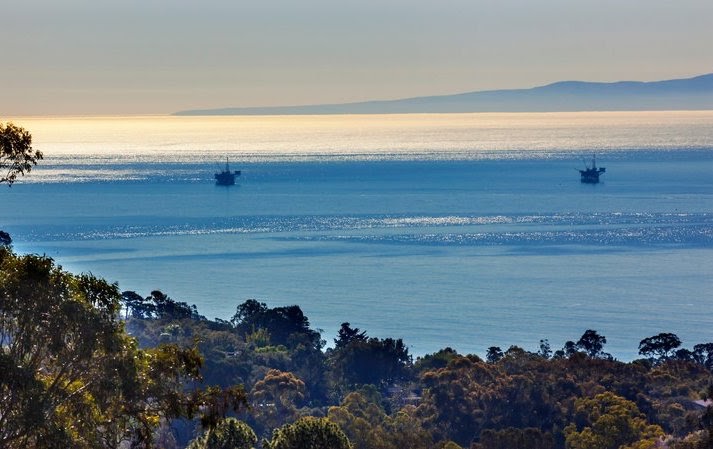
19. Santa Maria-Santa Barbara, CA
Relative concentration of oil and gas workers: 3.5 times the national average
Number of oil and gas workers: 618
Total number of workers: 213,397
Median earnings for oil and gas workers: $70,000
Cost of living: 10% above average
Photo Credit: Alamy Stock Photo
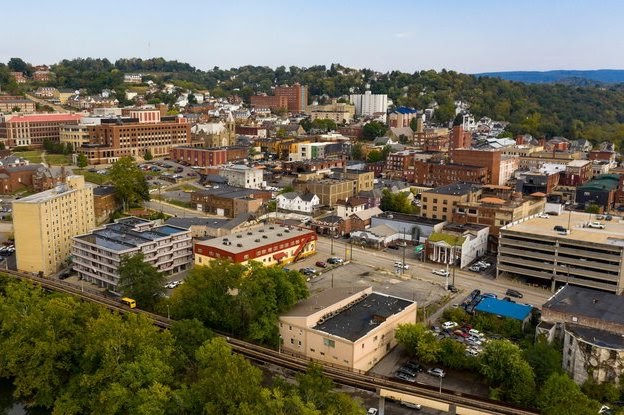
18. Morgantown, WV
Relative concentration of oil and gas workers: 3.5 times the national average
Number of oil and gas workers: 193
Total number of workers: 66,346
Median earnings for oil and gas workers: $72,000
Cost of living: 9% below average
Photo Credit: Alamy Stock Photo
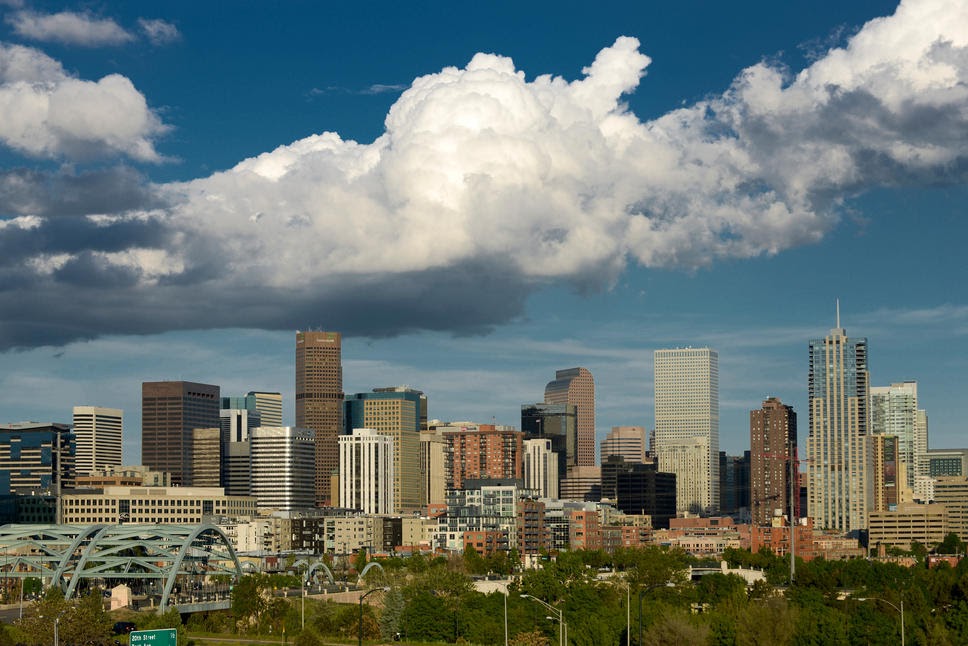
17. Denver-Aurora-Lakewood, CO
Relative concentration of oil and gas workers: 3.6 times the national average
Number of oil and gas workers: 4,899
Total number of workers: 1,677,095
Median earnings for oil and gas workers: $85,000
Cost of living: 6% above average
Photo Credit: Alamy Stock Photo
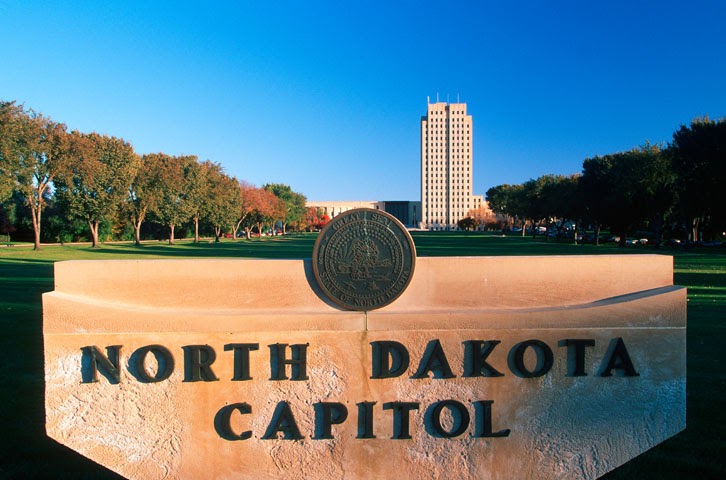
16. Bismarck, ND
Relative concentration of oil and gas workers: 4.1 times the national average
Number of oil and gas workers: 259
Total number of workers: 76,382
Median earnings for oil and gas workers: $100,000
Cost of living: 7% below average
Photo Credit: Alamy Stock Photo
15. Bakersfield, CA
Relative concentration of oil and gas workers: 4.3 times the national average
Number of oil and gas workers: 1,228
Total number of workers: 348,917
Median earnings for oil and gas workers: $120,000
Cost of living: 4% below average
Photo Credit: Alamy Stock Photo
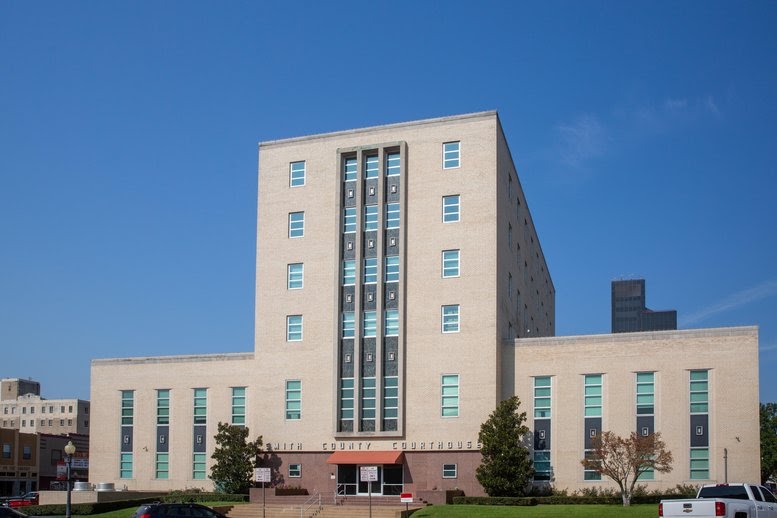
14. Shreveport-Bossier City, LA
Relative concentration of oil and gas workers: 4.4 times the national average
Number of oil and gas workers: 645
Total number of workers: 179,726
Median earnings for oil and gas workers: $58,000
Cost of living: 11% below average
Photo Credit: Alamy Stock Photo
13. Tyler, TX
Relative concentration of oil and gas workers: 5.0 times the national average
Number of oil and gas workers: 423
Total number of workers: 103,429
Median earnings for oil and gas workers: $100,000
Cost of living: 6% below average
Photo Credit: Alamy Stock Photo
12. Amarillo, TX
Relative concentration of oil and gas workers: 5.1 times the national average
Number of oil and gas workers: 522
Total number of workers: 125,842
Median earnings for oil and gas workers: $100,000
Cost of living: 7% below average
Photo Credit: Alamy Stock Photo
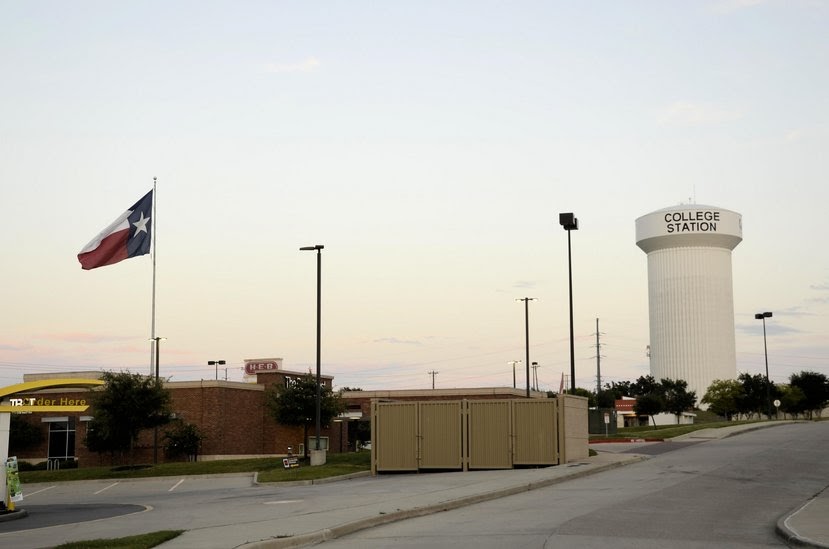
11. College Station-Bryan, TX
Relative concentration of oil and gas workers: 5.3 times the national average
Number of oil and gas workers: 460
Total number of workers: 105,264
Median earnings for oil and gas workers: $60,000
Cost of living: 7% below average
Photo Credit: Alamy Stock Photo
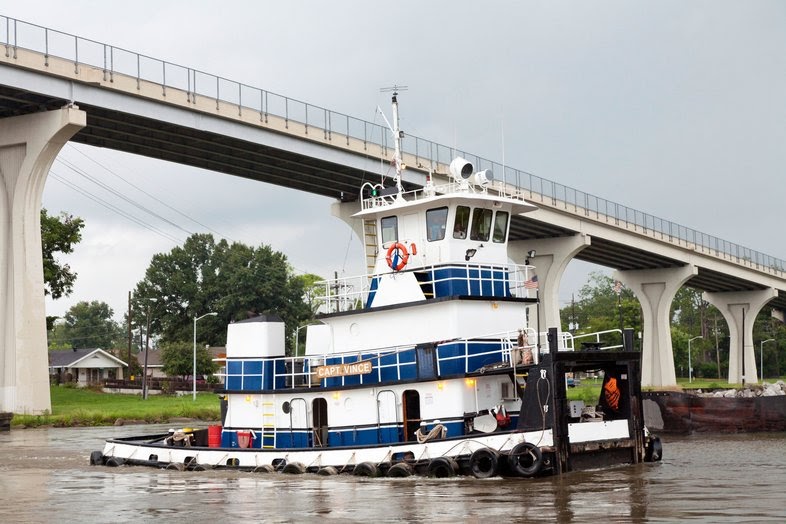
10. Houma-Thibodaux, LA
Relative concentration of oil and gas workers: 5.4 times the national average
Number of oil and gas workers: 447
Total number of workers: 100,206
Median earnings for oil and gas workers: $95,000
Cost of living: 10% below average
Photo Credit: Alamy Stock Photo
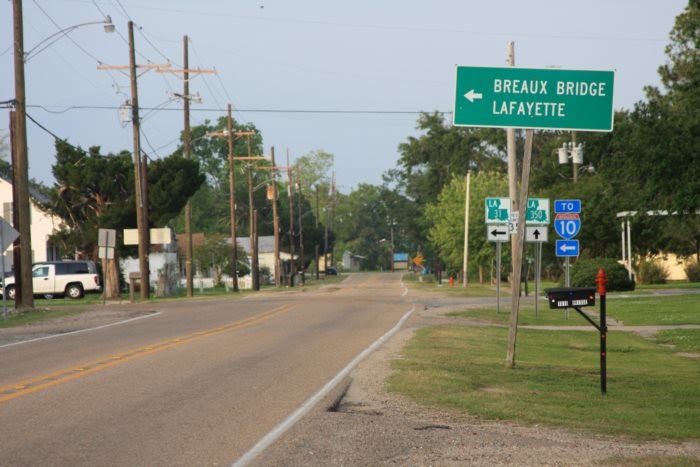
9. Lafayette, LA
Relative concentration of oil and gas workers: 5.6 times the national average
Number of oil and gas workers: 1,085
Total number of workers: 238,332
Median earnings for oil and gas workers: $111,000
Cost of living: 12% below average
Photo Credit: Alamy Stock Photo
8. San Angelo, TX
Relative concentration of oil and gas workers: 5.9 times the national average
Number of oil and gas workers: 273
Total number of workers: 56,396
Median earnings for oil and gas workers: $125,000
Cost of living: 7% below average
Photo Credit: Alamy Stock Photo
7. Anchorage, AK
Relative concentration of oil and gas workers: 6.1 times the national average
Number of oil and gas workers: 1,124
Total number of workers: 223,143
Median earnings for oil and gas workers: $130,000
Cost of living: 8% above average
Photo Credit: Alamy Stock Photo
6. Fort Collins, CO
Relative concentration of oil and gas workers: 7.1 times the national average
Number of oil and gas workers: 1,078
Total number of workers: 185,707
Median earnings for oil and gas workers: $80,000
Cost of living: 2% above average
Photo Credit: Alamy Stock Photo
5. Oklahoma City, OK
Relative concentration of oil and gas workers: 7.7 times the national average
Number of oil and gas workers: 4,577
Total number of workers: 721,064
Median earnings for oil and gas workers: $95,000
Cost of living: 9% below average
Photo Credit: Alamy Stock Photo
4. Corpus Christi, TX
Relative concentration of oil and gas workers: 8.1 times the national average
Number of oil and gas workers: 1,451
Total number of workers: 217,105
Median earnings for oil and gas workers: $70,000
Cost of living: 6% below average
Photo Credit: Alamy Stock Photo
3. Odessa, TX
Relative concentration of oil and gas workers: 10.0 times the national average
Number of oil and gas workers: 621
Total number of workers: 75,980
Median earnings for oil and gas workers: Not available
Cost of living: 4% below average
Photo Credit: Alamy Stock Photo
2. Houston-The Woodlands-Sugar Land, TX
Relative concentration of oil and gas workers: 13.1 times the national average
Number of oil and gas workers: 35,927
Total number of workers: 3,335,536
Median earnings for oil and gas workers: $120,000
Cost of living: 2% above average
Photo Credit: Alamy Stock Photo
1. Midland, TX
Relative concentration of oil and gas workers: 88.1 times the national average
Number of oil and gas workers: 6,567
Total number of workers: 90,888
Median earnings for oil and gas workers: $85,000
Cost of living: Average
Detailed Findings & Methodology
Many of the locations with the highest concentration of oil and gas extraction workers are located in Texas, which is the leading producer of crude oil in the country. Texas employs over 65,000 workers in the oil and gas extraction industry, about half of the national total. The recent oil market crash will disproportionately hurt Texas cities and other locations with large oil and gas industries.
Oil and gas workers tend to have high median earnings—on average workers in the metros with the highest concentrations of oil and gas workers earn over $90,000 per year. Workers in these metros also tend to enjoy a lower cost of living.
To determine the cities hit hardest by the drop in oil prices, researchers at Construction Coverage analyzed the latest data from the U.S. Census Bureau’s 2018 American Community Survey Public Use Microdata Sample (ACS PUMS) and the Bureau of Economic Analysis’s Regional Price Parity (RPP) data. Using ACSPUMS data, the researchers ranked metros according to the relative concentration of workers in oil and gas extraction. In the event of a tie, the city with the larger share of employment in oil and gas extraction was ranked higher. Researchers also calculated the total number of oil and gas extraction workers, the median earnings for oil and gas extraction workers, and the cost of living. Median earnings is defined as the median wage and salary income for oil and gas extraction workers. Cost of living compared to the national average comes from the RPP.
To improve relevance, only metros with at least 100,000 people were included in the analysis. Due to the way the U.S. Census Bureau conducts this survey combined with low numbers of oil and gas workers in certain locations, there are sometimes large margins of error associated with the employment estimates. While the relative concentrations are directionally accurate, the absolute number of oil and gas workers (especially for some of the smaller locations) could be different from the actual number.

 Photo Credit: Alamy Stock Photo